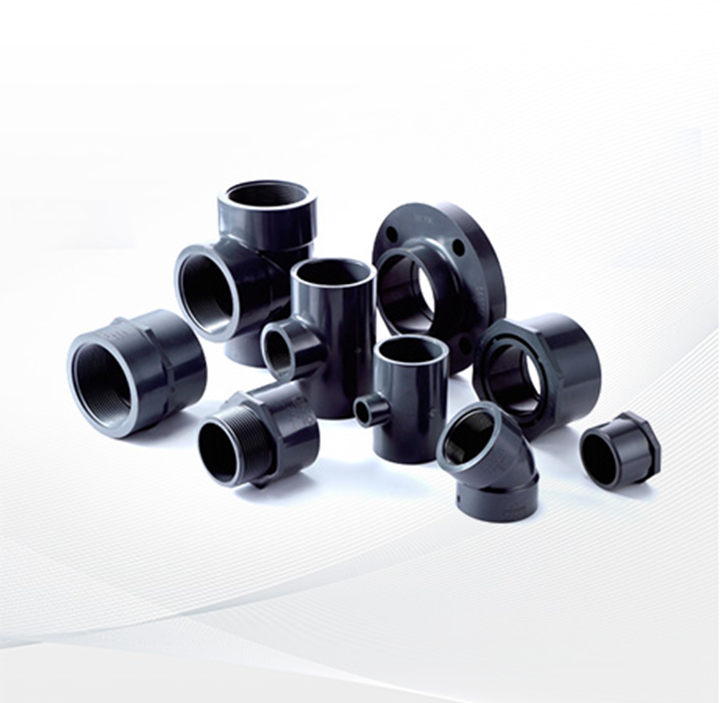
Schedule 80 PVC pipe is a preferred option in demanding applications where higher pressure ratings and thermal resistance are essential. Compared to Schedule 40, Schedule 80 has thicker walls, offering greater strength and durability. This makes it suitable for environments where hot water or elevated temperatures are a factor.
Why Temperature Resistance Matters
In hot water systems, pipe materials must withstand both heat and pressure without warping, cracking, or leaking. Schedule 80 PVC pipe offers a practical solution for such conditions, especially in commercial and light industrial settings. It performs reliably in temperatures up to 140°F (60°C), which covers many standard hot water applications. Beyond this threshold, the pipe’s performance may begin to decline, so understanding its limits is important for long-term performance.
LESSO America’s Contribution to Reliability
LESSO America provides Schedule 80 PVC pipes designed to meet high standards of thermal stability and mechanical strength. Their products undergo stringent testing to ensure they maintain structural integrity under thermal stress. Whether used in HVAC systems, hot water recirculation lines, or chemical processing setups, LESSO America’s Schedule 80 pipes support efficient operation and safety.
Additional Considerations in Hot Water Systems
While Schedule 80 PVC is well-suited for many hot water applications, proper system design is still critical. Installers must consider factors such as pipe support spacing, flow rate, and insulation to ensure efficient and safe operation. In higher-temperature or more corrosive environments, alternatives such as CPVC or metal piping may be considered alongside PVC.
Conclusion
For hot water systems where durability and temperature resistance are priorities, Schedule 80 PVC pipe offers a dependable option. LESSO America continues to deliver consistent quality and performance with its range of Schedule 80 products. By selecting the right piping material and understanding its capabilities, users can build systems that last and perform efficiently under heat-related stress.