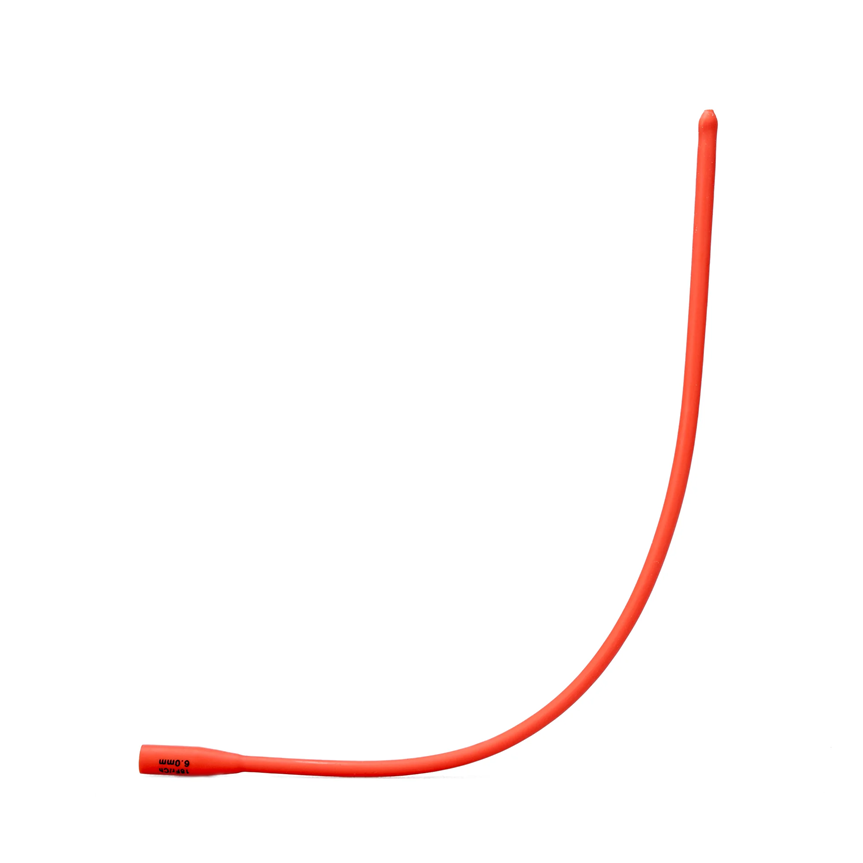
Nelaton catheters are essential medical tools used for draining urine from the bladder when a patient is unable to urinate naturally. They are commonly used in scenarios such as urine retention, post-surgery care, or for patients with bladder function impairment. It’s crucial to use Nelaton catheters properly to ensure patient comfort and safety. Wellead Medical offers high-quality Nelaton catheters designed for efficient use and optimal patient care.
Selecting the Right Nelaton Catheter Size
Choosing the right Nelaton catheter size is vital to ensure effective drainage and minimize discomfort. The size of the catheter is generally measured in French (Fr) units, ranging from 6 Fr to 24 Fr for adults and children. Factors like patient anatomy, age, and gender significantly influence the catheter size. For instance, women and children typically require smaller sizes. Wellead Medical provides a wide variety of sizes, making it easier for healthcare professionals to select the appropriate catheter for each patient’s specific needs.
Step-by-Step Procedure for Using a Nelaton Catheter
So how to use Nelaton catheter? Preparation: Before inserting a Nelaton catheter, it’s important to sanitize all supplies and ensure the patient is in a comfortable position. Proper hand hygiene is crucial to avoid infection.
Insertion: Lubricate the catheter before gently inserting it into the urethra. The Nelaton catheter should be carefully advanced until urine begins to drain.
Post-Insertion Care: Once drainage is complete, remove the catheter, and clean the area to prevent infection. Proper disposal of the catheter is necessary to ensure safety and hygiene.
Conclusion
So how to use Nelaton catheter? By following these steps, healthcare professionals can safely and effectively use Nelaton catheters, ensuring better outcomes for patients. Wellead Medical’s high-quality products make this process smoother, enhancing the safety and comfort of both medical staff and patients.